Slow Geography: The Lost Ritual of Deliberate Transit
Reclaiming the contemplative cadence of train corridors, coastal ferries, and unhurried passage between distant horizons.
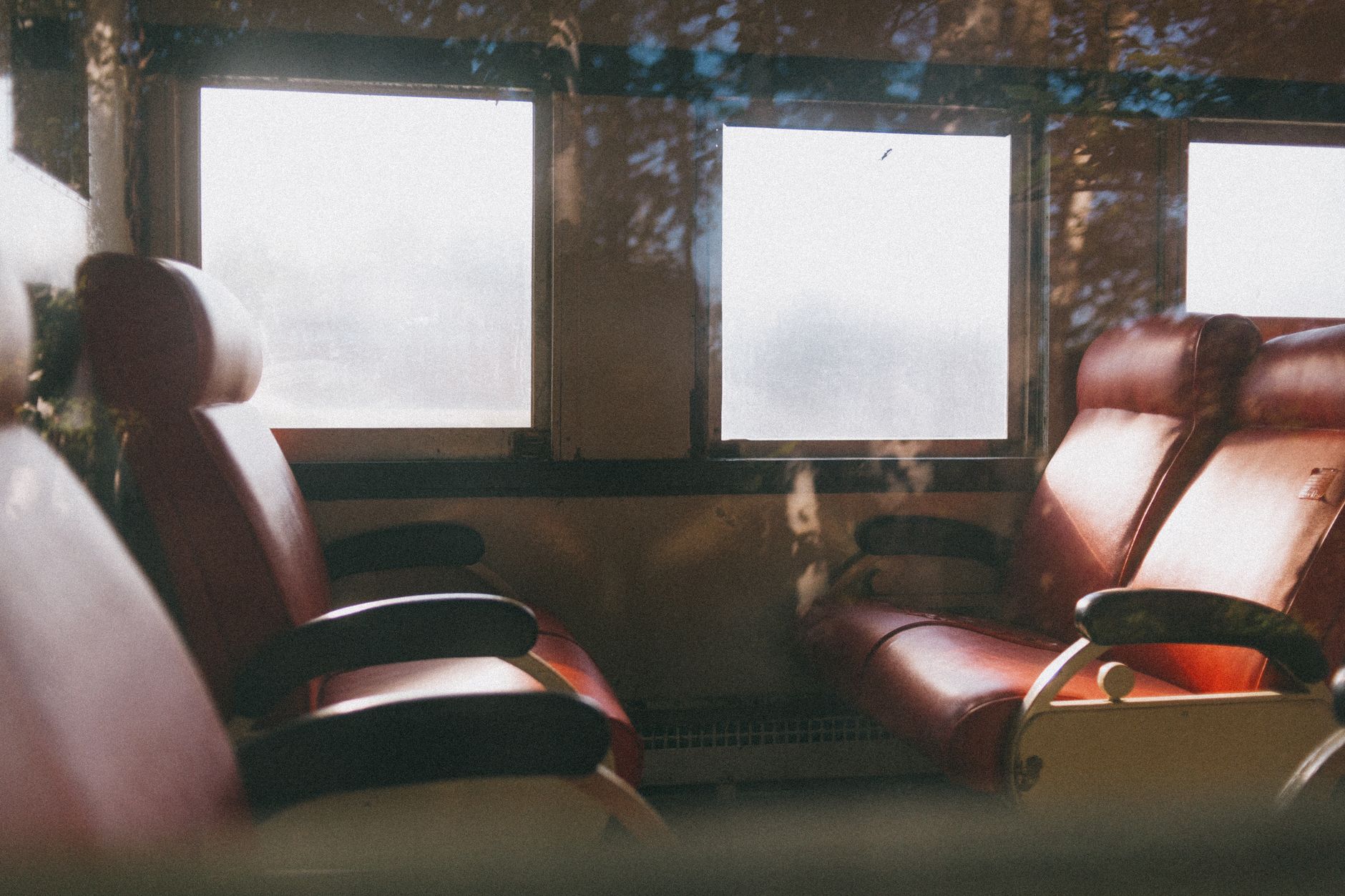
Modern aviation promised freedom, yet it delivered teleportation without transformation. Boarding a sealed pressurized tube in one metropolis and stepping out twelve hours later into another deprives the voyager of the very essence of journeying: the gradual transition of flora, vernacular roof angles, dialect, and soil color.
The Rhythm of the Iron Track
On sleeper trains like the Caledonian Sleeper toward Inverness or the alpine express cutting through the Bernese Oberland, time returns to human scale. In a private timber-lined couchette, one watches the industrial perimeter of towns dissolve into heather-covered moors, accompanied only by the rhythmic clatter of bogies on welded steel.
"Distance is not an inconvenience to be eradicated by aviation; distance is the canvas upon which contemplation, reverence, and anticipation are painted."
By moving through geography at sixty miles per hour rather than five hundred, the traveler allows the mind to catch up with the body. One observes how slate give way to terracotta, how sheep give way to vineyards, and how the quality of morning daylight subtly shifts from cold northern zinc to liquid Mediterranean ochre.
Principles of Slow Route Crafting
- Single Border Crossings: Preferring rail transitions where passport stamps and customs stations retain historical character.
- Maritime Crossings: Opting for night freight-ferries across the Aegean or Irish Sea rather than brief hopper flights.
- Deliberate Unplugging: Leaving portable screens stowed while crossing major watershed divisions and mountain passes.
At 111111, we continue to urge our patrons to consider the transit phase not as lost time, but as the philosophical centerpiece of their pilgrimage.