The Resurgence of Raw Timber Sanctuaries
How a quiet rebellion against concrete brutalism and sterile glass cubes is redefining mountain hideaways across the Northern hemisphere.
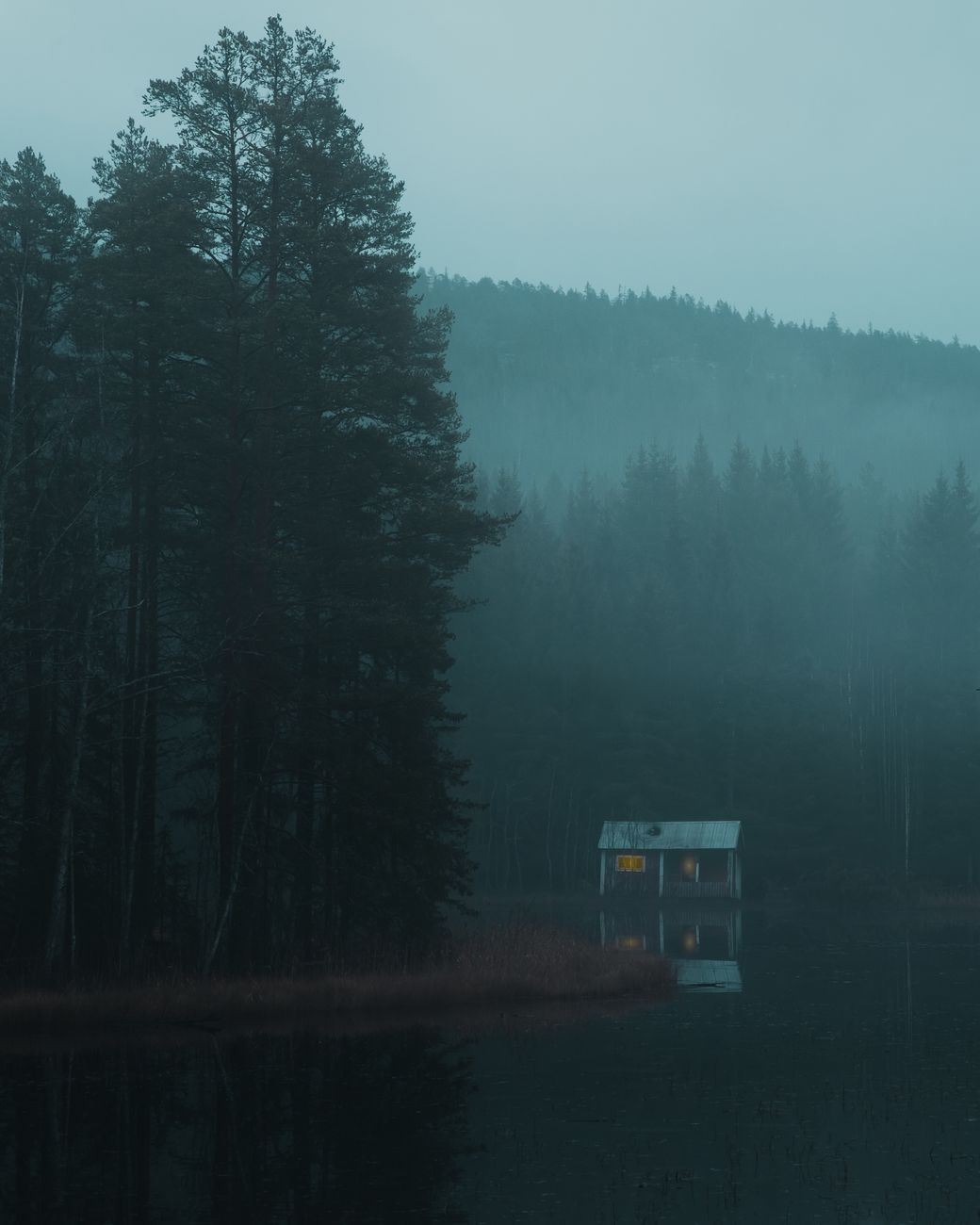
For the better part of the past two decades, high-end mountain architecture seemed inextricably married to monumental expanses of triple-glazed floor-to-ceiling glass, mirror-finish steel beams, and polished poured concrete. While visually arresting from helicopters, these monolithic structures created an emotional detachment between guest and terrain. Today, an emergent generation of architects is championing vernacular craft, reviving mortise-and-tenon timber joints, and embracing raw, unlacquered wood surfaces that silver with age.
The Sensory Power of Scent and Silence
Entering an alpine sanctuary constructed of unvarnished larch and aromatic Swiss stone pine produces an immediate physiological deceleration. Studies conducted by Austrian biophilic researchers indicate that rooms paneled in untreated pine reduce baseline heart rates during sleep cycles by several thousand beats per night. In these rooms, nature is not merely observed through glass—it is inhaled.
"A building should belong so thoroughly to its forest that were it abandoned, it would compost back into the soil without leaving an acoustic or chemical wound on the meadow."
In regions such as the Vorarlberg in Austria or Nagano in Japan, this design ethos draws upon centuries of regional vernacular heritage. Local builders avoid chemical wood stains entirely, using charring techniques like shou sugi ban to protect exterior cladding naturally from pestilence and harsh alpine snowstorms.
Curated Stays: What Discerning Voyagers Should Seek
- Passive Thermal Mass: Structures designed with dense timber logs that absorb daytime radiant heat and release it gradually across arctic nights.
- Subtle Illumination: Concealed fixtures calibrated beneath 2400 Kelvin to prevent disruption of nocturnal wildlife corridors.
- Locally Felled Sourcing: Timber harvested within a 30-kilometer radius, ensuring continuity with local forestry guilds.
As slow travelers increasingly value quietness over ostentatious amenity rosters, the timber cabin proves that genuine luxury is found not in superfluous gadgets, but in tactile communion with the elements.