Tide Table: The Art of Nordic Coastline Foraging
Wading into the freezing shallows of the Baltic to document wild botanicals, sea kelp, and centuries-old culinary preservation rituals.
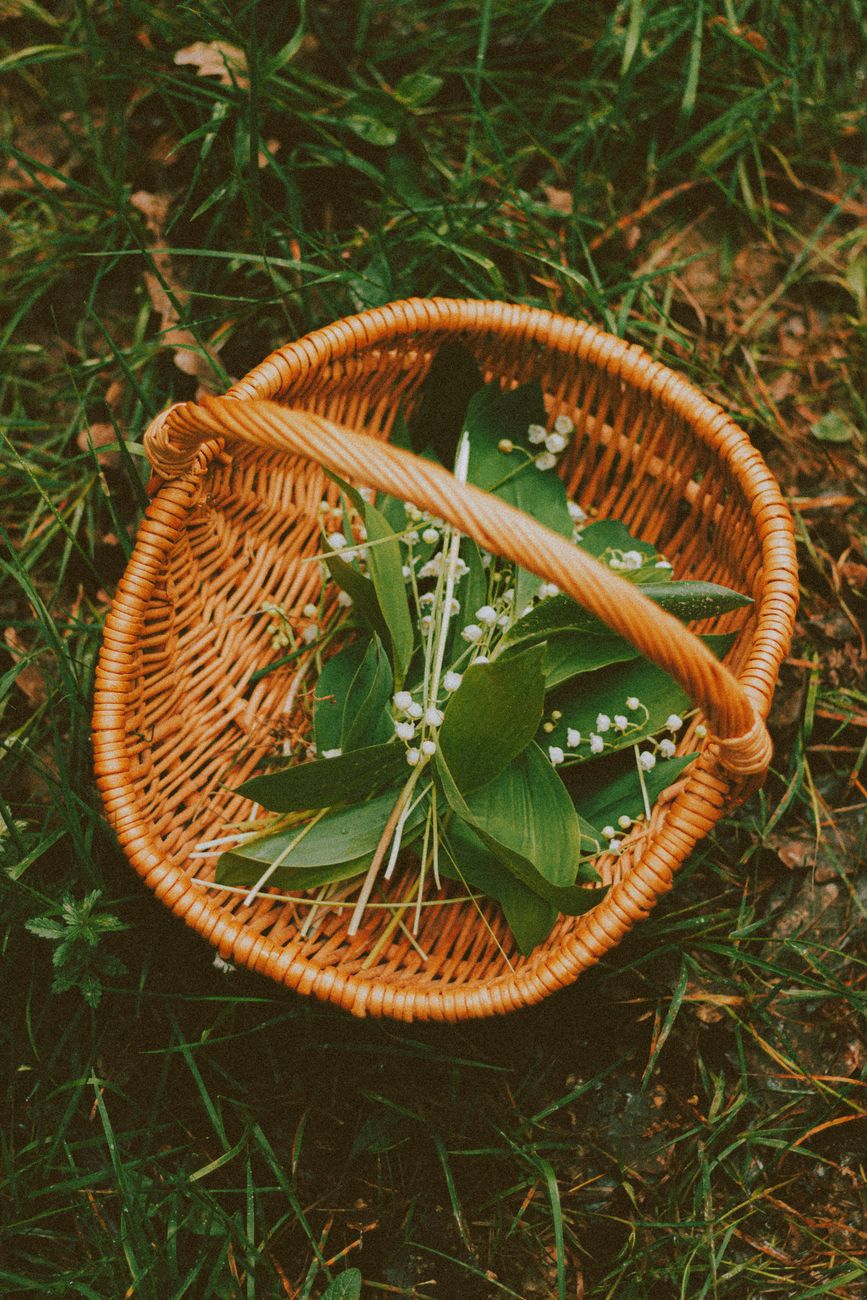
At 06:00 along the low granite shelves of the island of Bornholm, the morning mist hangs like damp wool over the grey Baltic waters. With insulated rubber waders and woven willow baskets, we accompany maritime foragers whose culinary understanding is dictated not by standard restaurant supply trucks, but by tidal charts and wind directions.
The Submerged Botanical Pantry
Far beyond conventional edible plants, the cold saline shallows conceal a miniature garden of remarkable complexity. Dulse with its smoky, bacon-like umami; sea truffle seaweed that releases a scent reminiscent of white truffles; and crisp sea-rocket whose pale purple petals deliver a sharp, horseradish-like warmth on the palate.
"When you harvest directly from rocks washed by arctic swell, your palate remembers that salt is not a chemical seasoning, but an ancient mineral geography."
What distinguishes genuine wild foraging from mere culinary novelty is restraint. Master foragers practice a strict rotational harvesting protocol, never taking more than one-third of any plant cluster and allowing kelp beds full multi-season cycles to regenerate.
Preservation for Winter Darkness
In Nordic culinary culture, harvesting is inseparable from preserving. As autumn yields to freezing gales, these marine treasures undergo traditional treatments:
- Solar Wind Drying: Kelp suspended in covered coastal barns where clean maritime breezes dry fronds to brittle parchment sheets.
- Lactic Fermentation: Crisp sea fennel stems salted and fermented in stoneware crocks to accompany smoked Baltic mackerel.
- Botanical Vinegars: Wild scurvy grass and juniper macerated in raw apple cider vinegar over twelve lunar cycles.
For the traveler willing to endure early frosty tides, the reward is an unparalleled sense of locality—a sensory imprint that no urban restaurant can replicate.